Understanding Kieferorthopädie and Its Importance
Kieferorthopädie, commonly known as orthodontics, plays a crucial role in not only enhancing the aesthetics of an individual’s smile but also significantly impacting their overall health. With the rising recognition of the importance of oral health as part of general wellness, orthodontic care has become more significant than ever. As practitioners navigate this complex field, understanding the legal, ethical, and practical frameworks surrounding patient care is essential. When exploring options, Kieferorthopädie provides comprehensive insights into patient data security and patient engagement strategies.
What is Kieferorthopädie?
Kieferorthopädie is a specialized branch of dentistry focused on diagnosing, preventing, and treating dental and facial irregularities. This includes misalignment of teeth, overbites, underbites, and other structural issues. Orthodontists utilize various appliances, such as braces, aligners, and retainers, to correct these issues, thereby facilitating proper dental function and improving overall oral health.
The Role of Orthodontics in Overall Health
Beyond cosmetic appearance, orthodontic treatment significantly influences overall health. Poorly aligned teeth can lead to various health issues, including difficulty in chewing, speech impediments, and increased risk of dental decay. Proper alignment can improve oral hygiene, ease the cleaning process, and reduce the risk of gum disease. Furthermore, a well-aligned bite aids in better digestion and can minimize muscle strain in the jaw area, leading to fewer migraines and tension headaches.
Common Misconceptions About Orthodontic Care
Many misconceptions surround orthodontic care, often deterring patients from seeking necessary treatment. One common myth is that orthodontics is only for children and teenagers. In reality, adults can benefit significantly from orthodontic treatment, and advancements in technology have made treatments more discreet and comfortable. Another misconception is that orthodontic treatments are merely cosmetic; however, they play a vital role in maintaining oral health and overall well-being.
Kieferorthopädie Practices and Patient Care
In the realm of Kieferorthopädie, patient care goes hand-in-hand with ensuring the security and confidentiality of sensitive health data. Practitioners must adopt best practices to manage this data efficiently while complying with legal and ethical standards.
Best Practices for Managing Patient Data Security
With the sensitive nature of health data, it is crucial for orthodontic practices to employ robust data security measures. This includes implementing secure electronic health records systems that comply with the General Data Protection Regulation (GDPR). Furthermore, restricting access to patient information and regularly auditing data handling processes can mitigate risks of data breaches.
Effective Communication Strategies with Patients
Good communication is essential in building trust with patients. Orthodontists should ensure that patients are fully informed about their treatment options, associated costs, and potential risks through clear and concise explanations, as well as written materials. Regular updates on treatment progress can also enhance the patient’s experience and satisfaction.
Legal Requirements and Ethical Considerations in Orthodontics
Orthodontic practices must adhere to stringent legal and ethical standards. This includes obtaining informed consent from patients before initiating treatment, ensuring transparency in data handling, and maintaining confidentiality at all times. Practitioners should also be aware of their responsibilities under the GDPR, particularly concerning patients' rights to access their data and request corrections.
Implementing Digital Solutions in Kieferorthopädie
As the orthodontic field continues to evolve, the adoption of digital solutions has become vital in enhancing patient care and streamlining practice operations.
Benefits of Digital Record Keeping and Management
Digital record keeping offers numerous advantages, including improved organization, easy access to patient information, and enhanced data security. Utilizing electronic systems not only reduces the risk of data loss but also enables seamless sharing of information among authorized personnel, facilitating collaborative care.
Telehealth in Orthodontics: The Future of Patient Consultations
Telehealth has emerged as a game changer in orthodontic practice, particularly highlighted during the COVID-19 pandemic. Virtual consultations allow orthodontists to assess patients' needs without requiring them to visit the office physically. This innovative approach saves time for both practitioners and patients and expands access to orthodontic care, particularly for those in remote areas.
Compliance with Barrierefreiheitsstärkungsgesetz and WCAG
Compliance with the Barrierefreiheitsstärkungsgesetz (BFSG) and Web Content Accessibility Guidelines (WCAG) is crucial for ensuring that orthodontic services are accessible to all patients, including those with disabilities. Orthodontic practices must evaluate their websites and digital resources to ensure they meet these accessibility standards, thereby promoting inclusivity and equal access to care.
Building Trust Through Transparency
Fostering trust between orthodontists and patients is integral to successful treatment outcomes. Transparency in practice operations and patient communication can significantly enhance patient satisfaction and loyalty.
Educating Patients on Treatment Processes
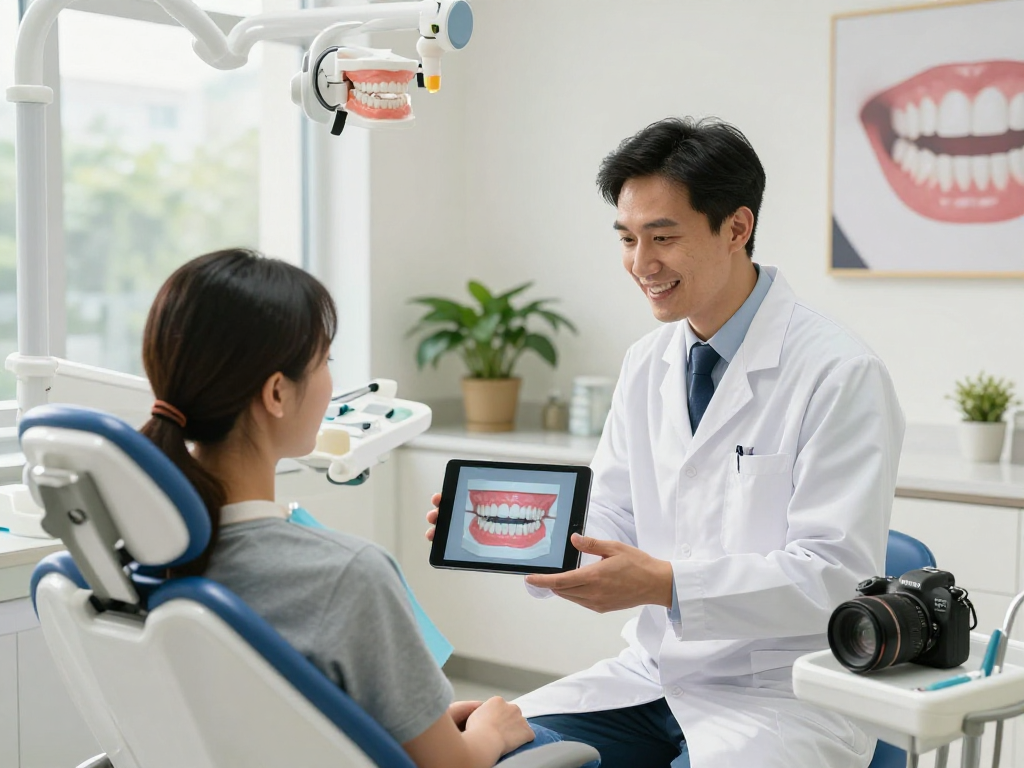
Patients are more likely to engage positively with treatment when they understand the processes involved. Orthodontists should take the time to educate patients about their treatment plans, including the rationale behind specific procedures and expected timelines. Utilizing visual aids and digital presentations can be effective in enhancing patient understanding.
Handling Patient Inquiries and Concerns Effectively
Timely and empathetic responses to patient inquiries can help alleviate concerns and build confidence in the practice. Establishing clear communication channels, such as dedicated phone lines or online chat options, allows patients to feel valued and heard.
Creating an Inclusive Environment for All Patients
Creating a welcoming and inclusive environment is essential for enhancing the patient experience in orthodontic practices. This includes ensuring that the physical space is accessible and that staff members are trained to understand and meet the diverse needs of all patients.
Future Trends in Kieferorthopädie for 2026 and Beyond
As we look to the future, several trends are poised to shape the landscape of Kieferorthopädie. Staying ahead of these trends will be crucial for practitioners seeking to remain competitive and provide high-quality care.
Emerging Technologies in Orthodontic Treatment
Advancements in technology, such as 3D printing, artificial intelligence, and machine learning, are revolutionizing orthodontic treatment. These technologies enable more precise diagnostics, customized treatment plans, and efficient production of orthodontic appliances.
Sustainability in Kieferorthopädie Practices
Sustainability is becoming a vital consideration in healthcare, including orthodontics. Practices are encouraged to adopt eco-friendly practices, such as reducing single-use plastics, implementing energy-efficient systems, and sourcing materials responsibly.
Predictions for Patient Expectations and Engagement
As the healthcare landscape evolves, so too do patient expectations. Future patients will likely demand greater engagement, personalized treatment options, and enhanced communication. Practices must adapt to these expectations by leveraging technology and prioritizing patient-centered care.
What are the key benefits of Kieferorthopädie?
The primary benefits include improved oral aesthetics, enhanced functional capabilities, and prevention of dental complications. These improvements contribute to better overall oral health and psychosocial well-being.
How can practices improve patient privacy and security?
Practices can enhance patient privacy and security by implementing comprehensive data protection policies, securely managing patient data, and training staff on confidentiality protocols. Regular audits of data handling practices can further ensure compliance with legal standards.
What are common challenges in implementing digital solutions?
Challenges may include resistance to change among staff members, the cost of technology adoption, and the need for ongoing training. Overcoming these challenges necessitates a clear strategic plan and commitment from the entire practice.
How can orthodontists enhance patient communication?
Orthodontists can enhance communication by utilizing multiple channels, including in-person consultations, digital platforms, and educational materials. Building a responsive communication system can foster trust and improve patient engagement.
What future technologies will impact Kieferorthopädie?
Technologies such as virtual reality for patient education, AI for treatment planning, and advanced imaging techniques are expected to have significant impacts on Kieferorthopädie. Staying informed about these developments will be vital for practitioners.